Across the Middle East and Southeast Asia, infrastructure development continues to expand in sectors such as urban construction, industrial plants, municipal engineering, logistics facilities, energy projects, and site upgrading works. These markets offer strong demand, but they also present a common challenge: many projects are carried out in restricted spaces, uneven terrain, or operating environments where conventional heavy equipment is not always the most efficient solution.
For contractors, equipment distributors, and project procurement teams, the real question today is no longer simply how to get more lifting power or transport capacity. Instead, the focus is shifting toward how to improve site efficiency, reduce downtime, optimize labor use, and control total operating cost under complex working conditions.
This is exactly where compact and specialized construction equipment is becoming increasingly valuable. In many modern projects, the right machine is not always the biggest machine. It is the machine that can enter the site more easily, work more precisely, adapt better to the terrain, and support the project with lower overall cost.
The Shift from “Large Equipment First” to “Application-Fit Equipment”
Traditional construction planning often favors larger machines because they appear to offer greater capacity and faster output. However, this logic does not always work in modern infrastructure projects. In dense urban environments, indoor construction zones, mountain roads, soft ground, or temporary work platforms, oversized equipment may create additional problems rather than improving productivity.
Large machines may face limited access, difficult setup conditions, higher transportation cost, greater ground pressure, and increased dependency on supporting equipment. In contrast, compact and specialized machines can often complete the same critical tasks with less site disruption, lower mobilization cost, and greater operating flexibility.
For overseas buyers and distributors, this trend is important. End users are increasingly looking for machines that solve real site problems, not just machines with impressive specifications on paper.
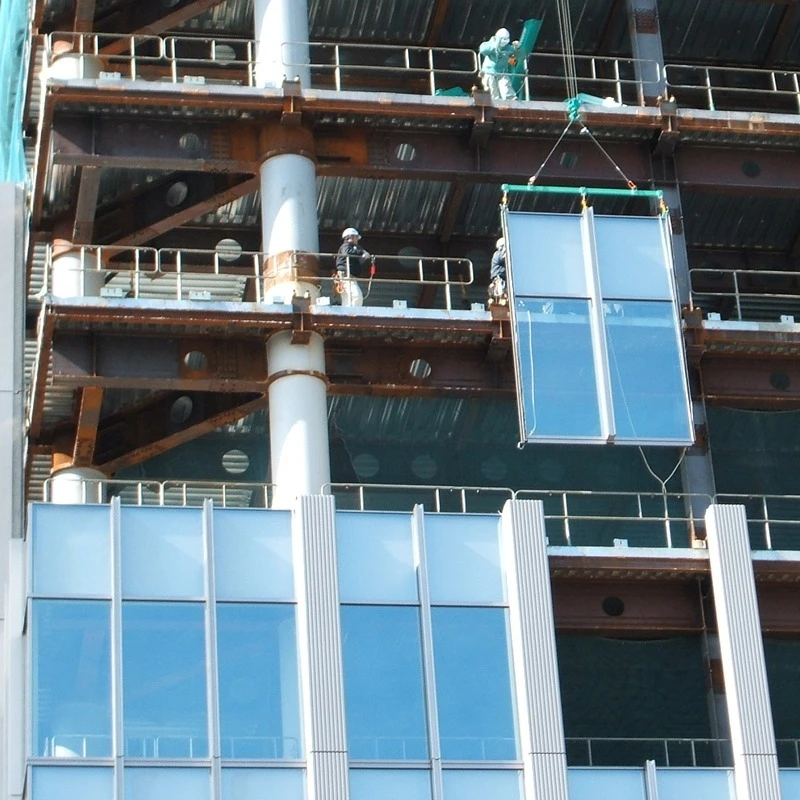
Spider Cranes: Among specialized lifting solutions, Spider Cranes are particularly valuable in projects where working space is limited and precise lifting is required. Their compact structure, small footprint, and strong maneuverability make them highly suitable for indoor lifting, glass installation, steel structure positioning, equipment relocation, maintenance work, and narrow-access job sites.
This is especially relevant in the Middle East, where commercial buildings, hotels, industrial facilities, and high-end urban developments often require installation work in confined areas. It is equally important in Southeast Asia, where dense cities, renovation projects, and factory construction frequently involve limited access and restricted lifting zones.
A spider crane helps contractors reduce the need for excessive manual handling, secondary transport, and complicated site preparation. It also allows lifting work to be completed in places where conventional cranes may not be able to enter or operate efficiently. In practical terms, this means faster installation, safer workflow, and better use of limited jobsite space.
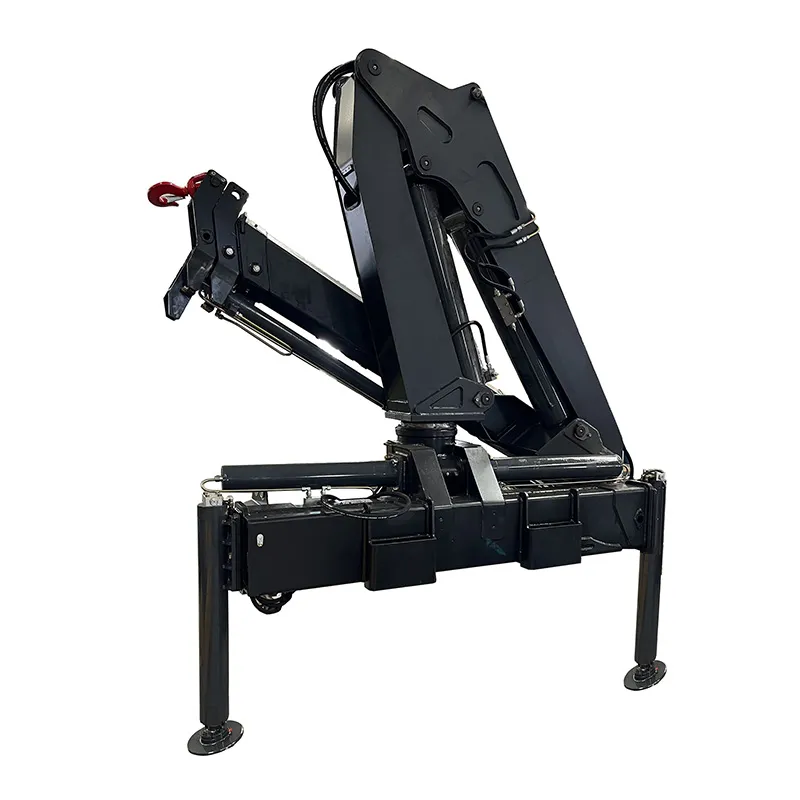
Knuckle Boom Cranes: While spider cranes are highly effective for compact lifting tasks, Knuckle Boom Cranes provide strong advantages in flexible loading, unloading, and on-site material handling. Their articulated boom design allows them to operate with excellent precision and reach while remaining compact when folded, which makes them ideal for multi-point loading operations, construction material delivery, equipment handling, municipal works, and jobsite logistics support.
For project contractors and machinery distributors, the value of a knuckle boom crane goes beyond lifting performance alone. It supports a more efficient workflow by combining transport and lifting functions in one equipment solution. This is particularly useful in projects where materials need to be moved frequently between different work zones, or where road access and working positions are constantly changing.
In both the Middle East and Southeast Asia, many job sites require frequent handling of construction materials, pipes, steel sections, site tools, or prefabricated components. Under these conditions, a knuckle boom crane can help reduce labor demand, shorten handling time, and improve delivery efficiency across the site.
Crawler Carriers and Mountain Utility Machines: On many complex construction projects, one of the biggest delays does not come from lifting operations, but from transporting materials across the site. Muddy surfaces, steep slopes, soft ground, plantation areas, mountain paths, and unfinished internal roads can make conventional wheeled vehicles inefficient or even unusable.
This is where Crawler Carriers and Mountain Utility Machines become highly practical solutions.
Crawler carriers are designed to deliver stable transport performance in harsh ground conditions. Their tracked undercarriage helps reduce ground pressure and improves traction, allowing them to move materials across terrain where ordinary transport vehicles may struggle. They are highly suitable for moving aggregates, tools, equipment parts, structural materials, and bulk supplies within construction zones.
Mountain utility machines offer even greater adaptability in certain non-standard applications. With strong terrain capability and flexible configuration possibilities, they can be used in hilly worksites, plantation access roads, off-road logistics, slope projects, orchard operations, and other special environments where transport flexibility matters more than road speed.
For buyers, the real value of these machines lies in their ability to keep project logistics moving. When internal transport becomes more reliable, the entire site benefits. Delays are reduced, waiting time decreases, and the productivity of other equipment can be improved as well.
Equipment Selection Should Be Based on Jobsite Logic, Not Just Machine Category
A growing number of professional buyers now understand that jobsite productivity depends on the combination of lifting, loading, transport, and support equipment—not on one machine alone. A spider crane, a knuckle boom crane, a crawler carrier, and a mountain utility machine each solve different problems, but together they can create a far more efficient operating system for modern projects.
That is why equipment sourcing today should focus not only on price or isolated specifications, but also on application matching, project workflow, terrain adaptability, and long-term serviceability. A reliable supplier should be able to support customers not only with products, but also with practical understanding of real jobsite demands.
At SANSCM, this is an important part of how we approach equipment solutions. In addition to supplying standard machines, we also support customers with application-oriented recommendations and customized solutions based on working environment, task type, and operational goals.
Spare Parts and Attachments Matter for Long-Term Performance
For international buyers, purchasing the machine is only one part of the investment. Long-term reliability depends heavily on parts availability, attachment support, and after-sales responsiveness. This is especially critical in overseas markets, where project delays caused by spare parts shortages can quickly become costly.
That is why a complete supply capability should include not only the main equipment, but also mechanical parts, replacement components, and related attachments that help maintain stable performance over time. A supplier with solid parts support can help customers reduce downtime, extend equipment service life, and protect project continuity.
For distributors, this also creates stronger local service capability and better customer retention. For end users, it means a more dependable and cost-effective equipment investment.
As infrastructure projects in the Middle East and Southeast Asia continue to evolve, construction environments are becoming more specialized, more space-sensitive, and more demanding in terms of efficiency. In this context, compact and specialized lifting and transport equipment is no longer a niche option. It is becoming an increasingly practical choice for contractors and buyers who need to improve performance while controlling cost.
From Spider Cranes for narrow and indoor lifting, to Knuckle Boom Cranes for flexible loading, to Crawler Carriers and Mountain Utility Machines